
Chai & Cinema I
Exhibition Title: Chai and Cinema (Inaugural Edition)
Exhibition Type: Sensory Documentary Showcase, Audio-Visual Archive & Public Intervention
Organising Body: ICOM Uganda (International Council of Museums, Uganda Chapter)
Event Context: ICOM Uganda Museum Fair 2025 (The project's debut presentation)
Venue: Emin Pasha Hotel, Kampala, Uganda
Dates: May 13th – May 15th, 2025
Festival Concept: A collaborative storytelling platform where museums, curators, and heritage workers unite under a shared curatorial vision to foster dialogue and connection across communities.
Medium: Documentary Photography, Archival Diptychs, Tactile Material Ephemera, Analogue Cassette Soundscapes, and Dry Spice Displays
Exhibition Narrative
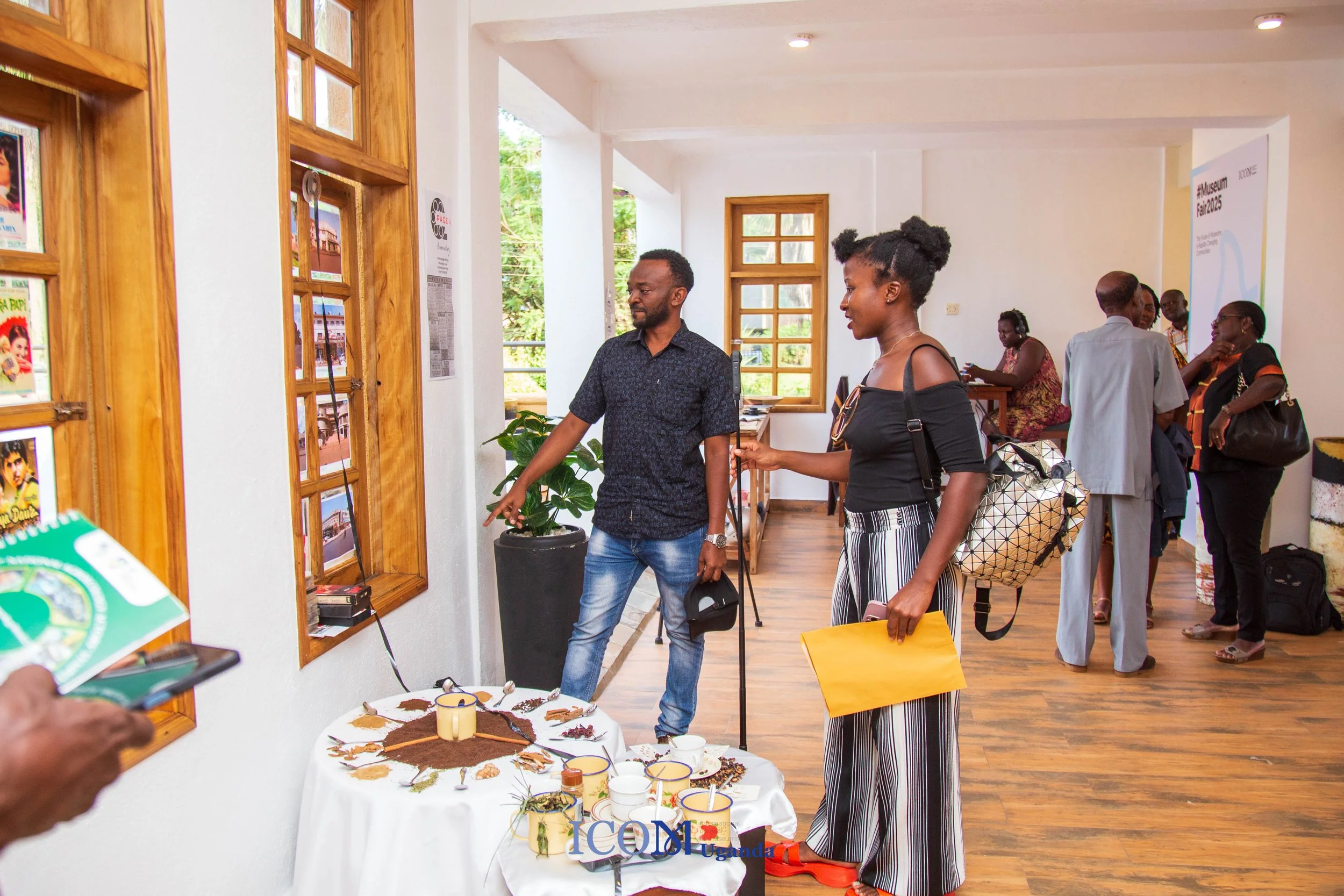
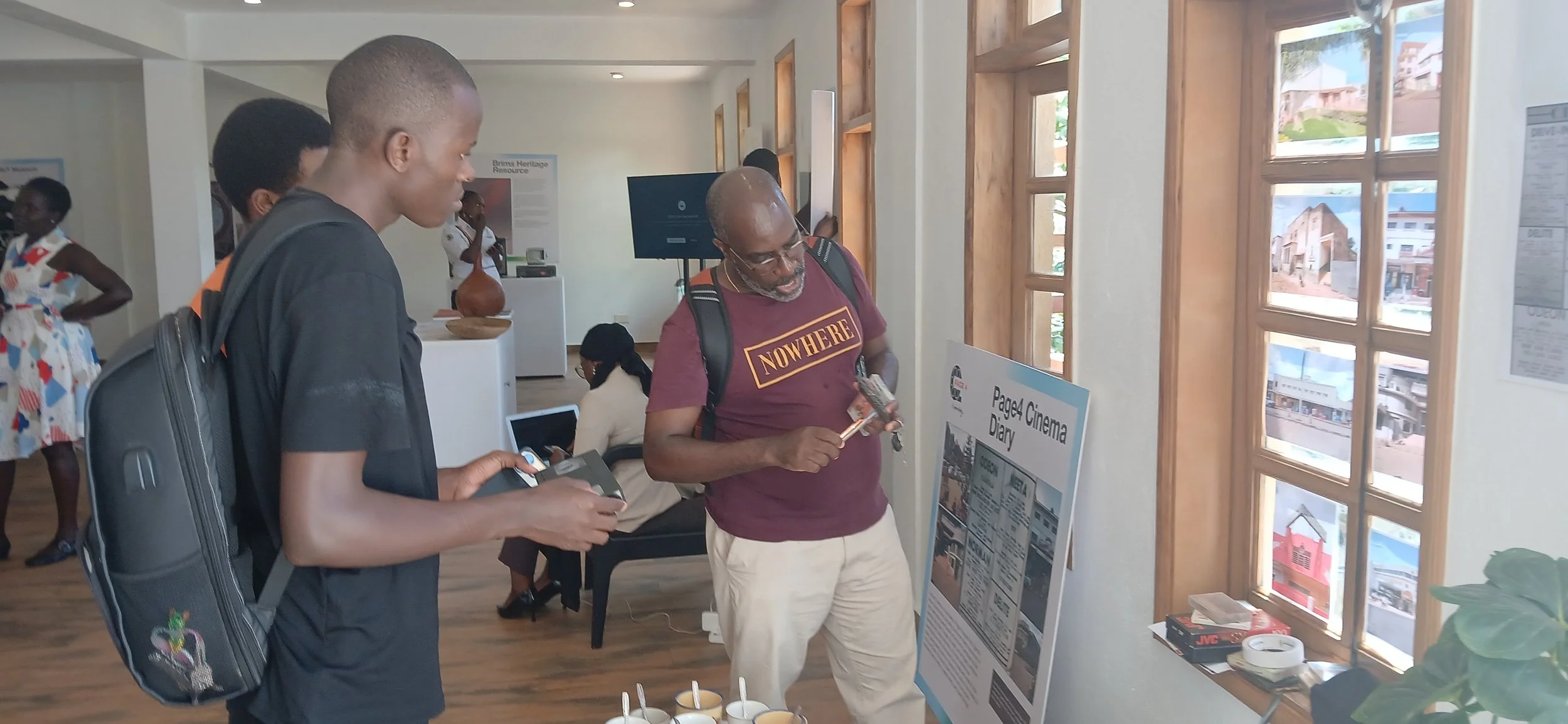
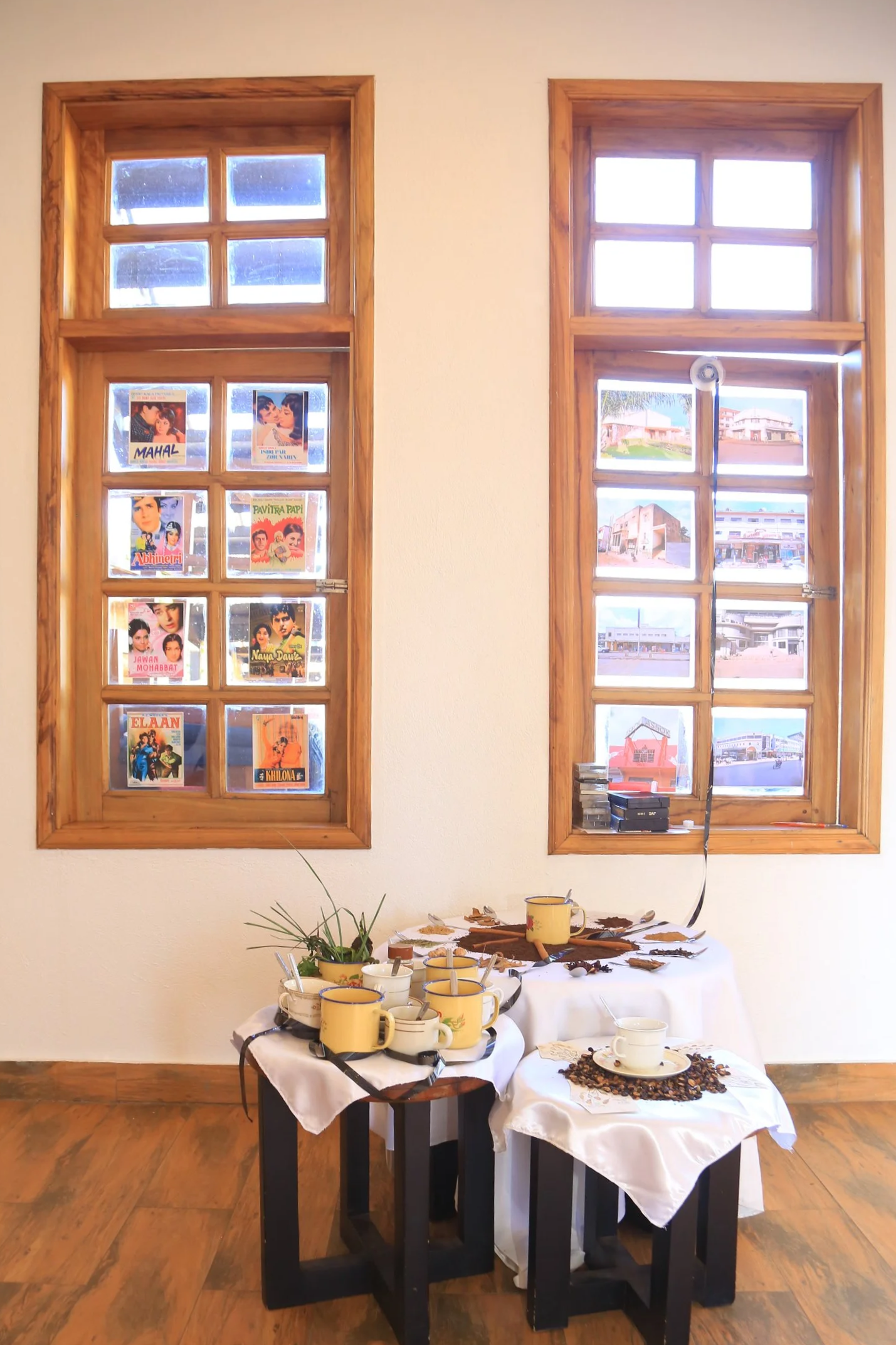
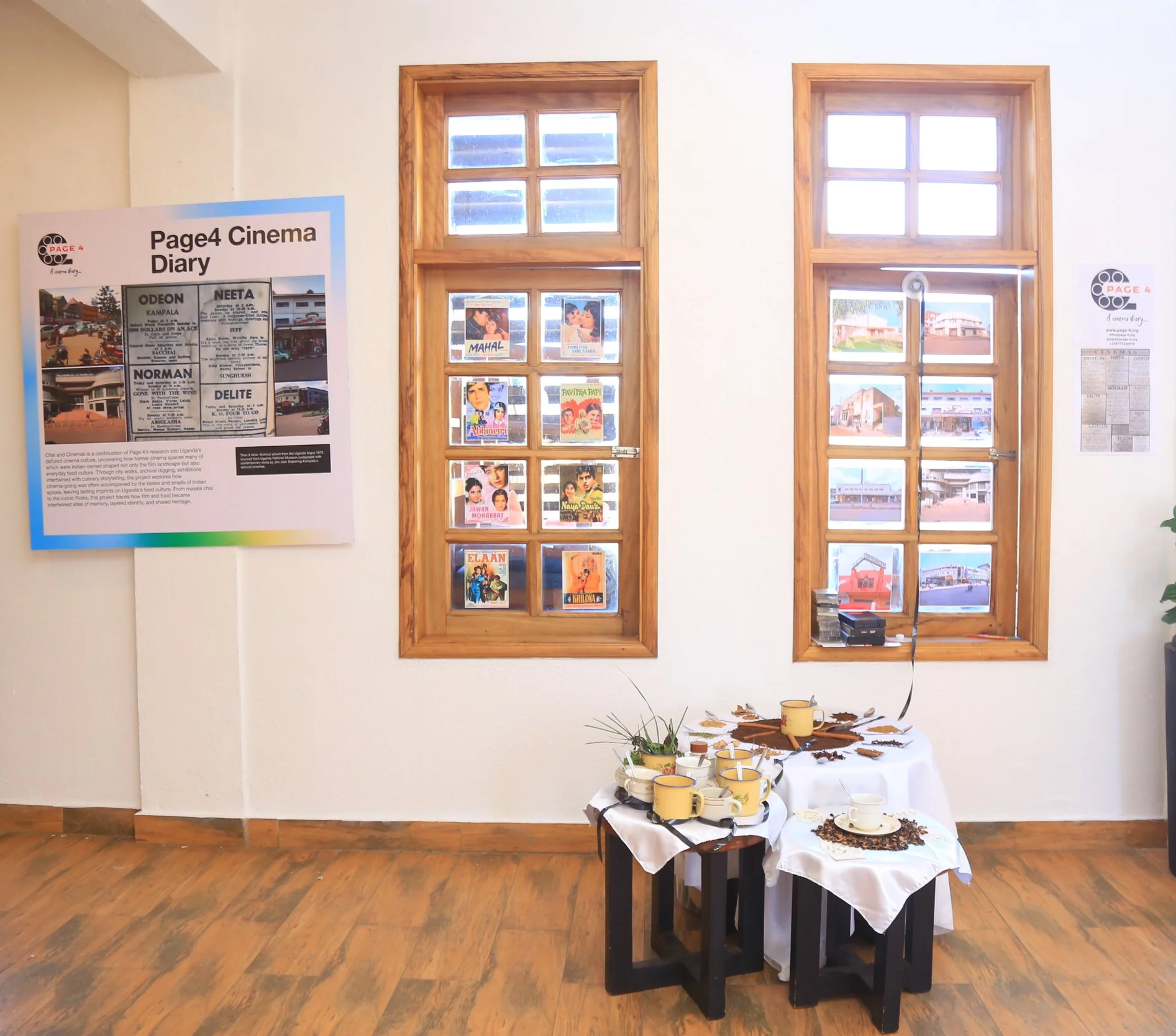
The inaugural edition of "Chai and Cinema" debuted at the ICOM Uganda Museum Fair as a tactile, research-driven public laboratory. The project introduced a continuous body of visual research dedicated to assembling a cinema archive of East Africa's 1970s nostalgia. Curated as a cohesive narrative experience, the exhibition explored how architecture, trade, tradition, and everyday cultural practices continue to shape the identity of post-colonial cities. To break down conventional institutional boundaries, the exhibition completely re-engineered the gallery layout—subverting classic white-wall conventions by hanging documentary photographs directly across the venue's glass windows and utilizing horizontal tables to display physical objects of memory.
The exhibition investigated the hybrid cultural identity of post-independence Uganda, mapping the social space where the British colonial tea legacy fused with Indian diaspora flavors and African communal warmth. In the 1970s, bustling movie houses like Afro Vision's hotel-based theaters in Nairobi and Kampala were massive cultural anchors. Cinema patrons spilled out from dimly lit theaters screening hits like Sholay to gather around shopfront dukas and communal benches under theater awnings, sharing stories and debating film plots over steaming cups of spicy, milky masala chai.
The Tangible and Intangible Landscape
To bring this intangible heritage to life, the debut installation focused on raw materiality, analogue technology, and interactive memory:
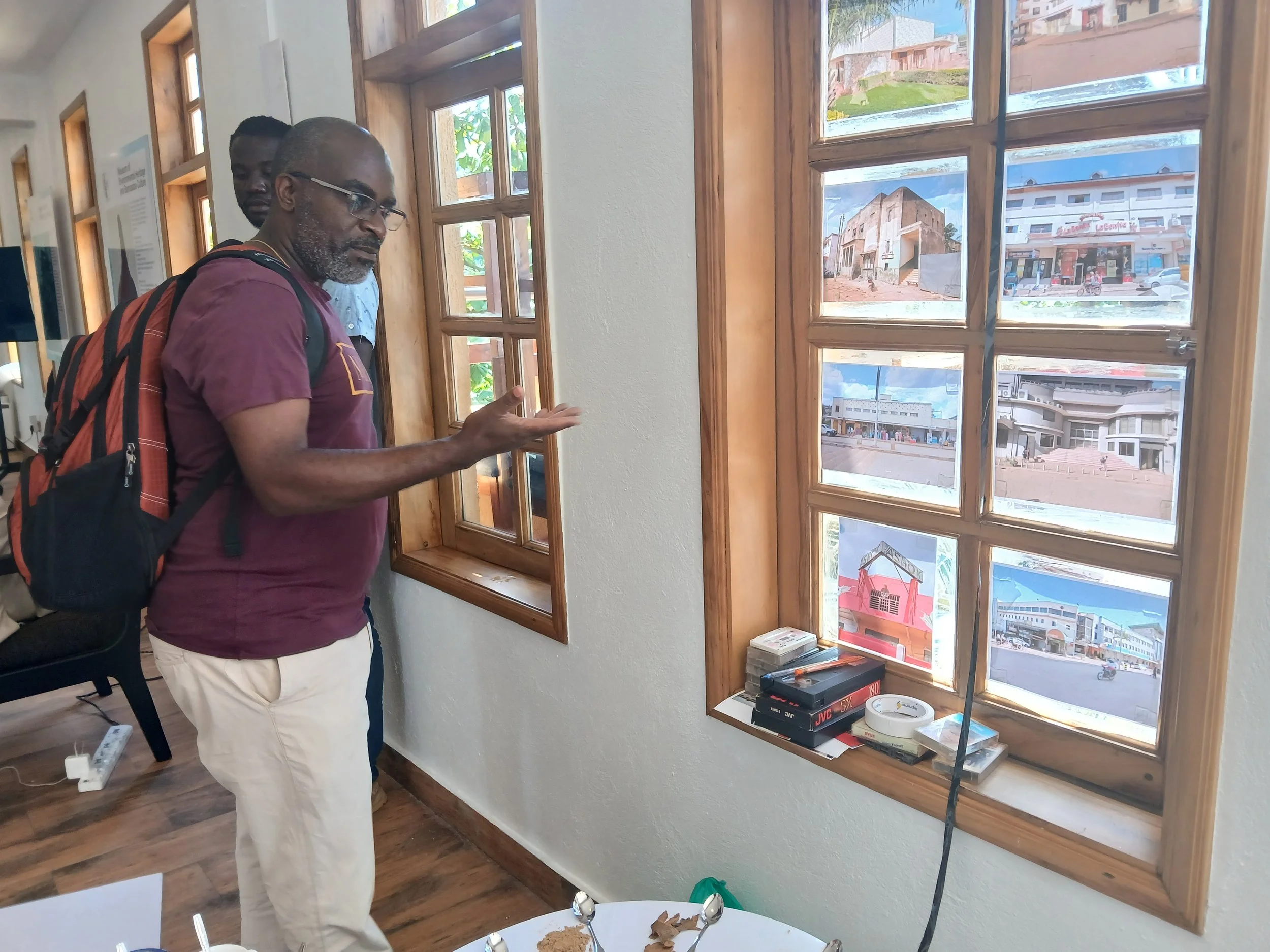
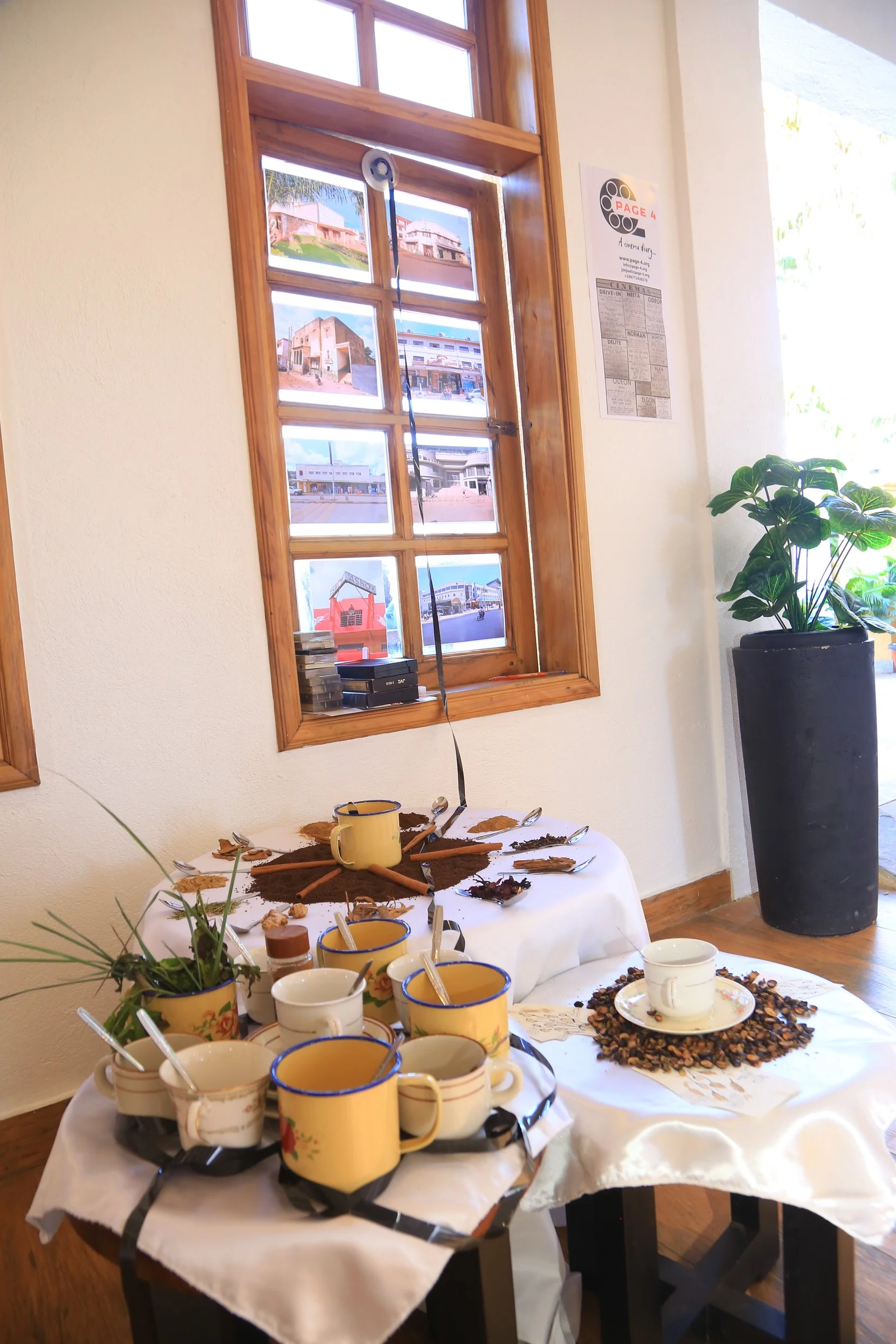
The Glass Window Gallery: Large-format photographic diptychs pairing archival mid-century images with current cinema spaces were mounted directly onto the venue's windows. This allowed natural light to filter through the images, visually layering the transparent, changing cityscape of Kampala into the archival prints.
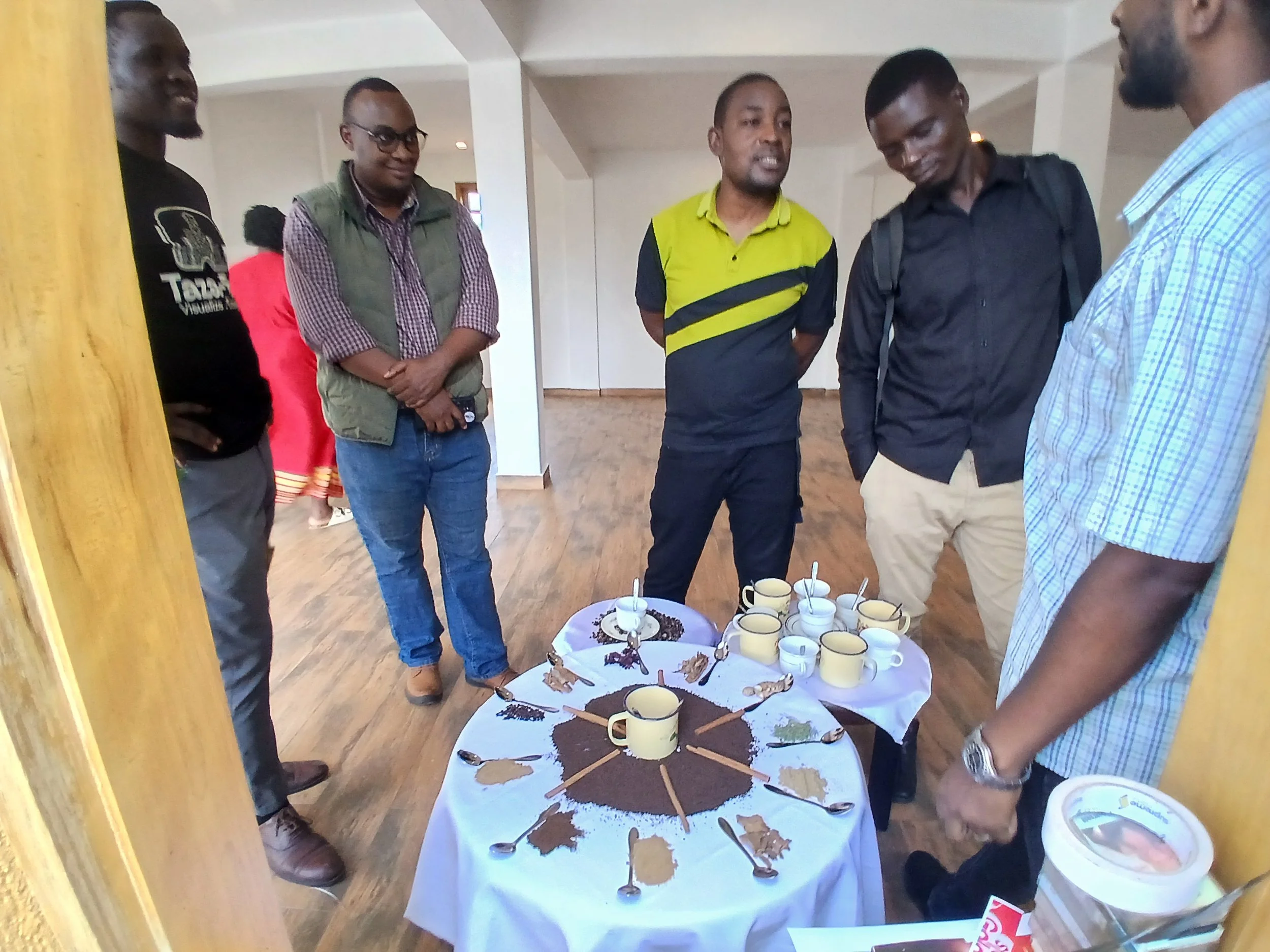
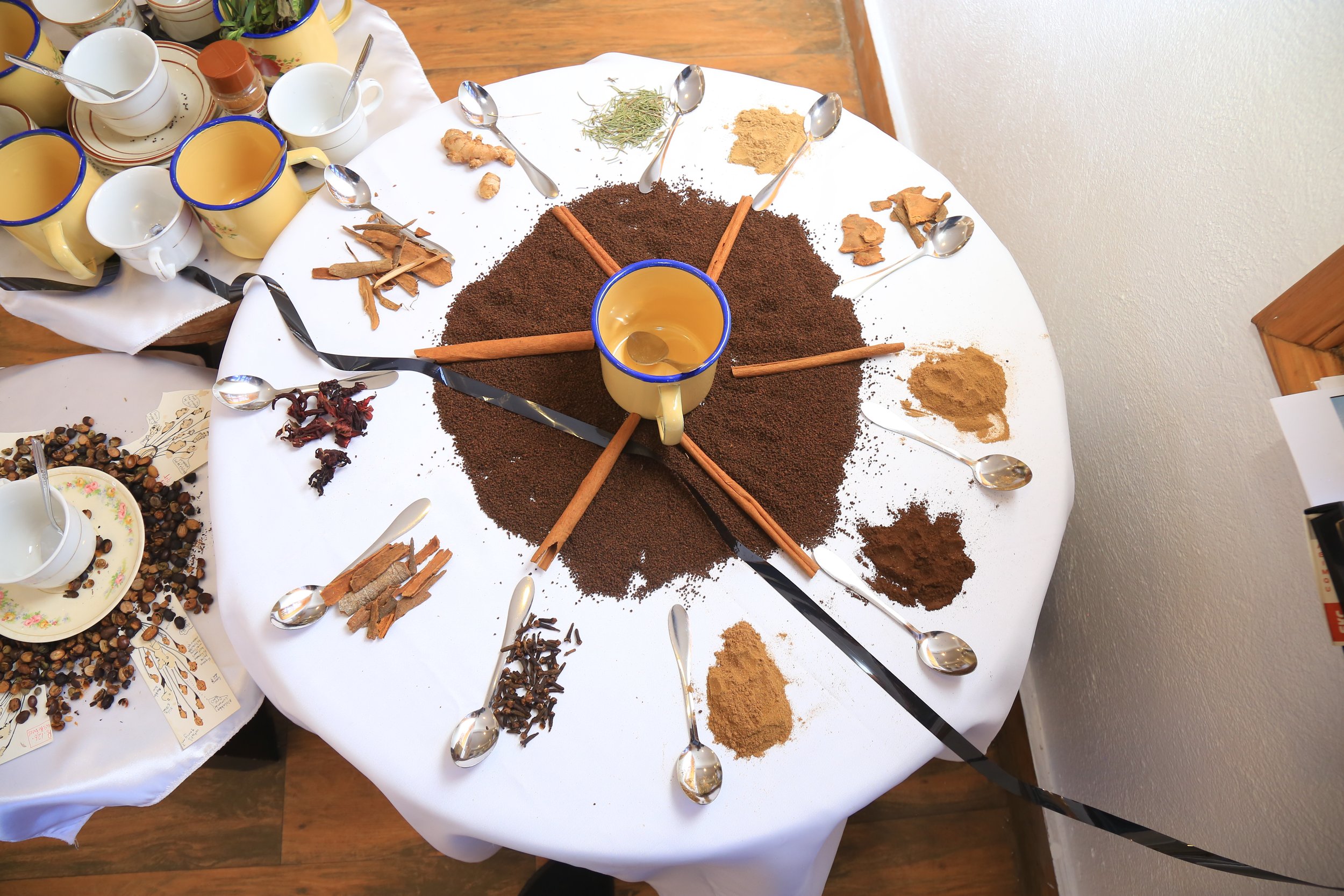
The Memory Tables (Dry Spice Curation): Spread across the display tables, vintage tea cups from the 1970s served as physical anchors of domestic life. Beside them, raw, dry ingredients—including ginger, cardamom pods, and cloves—were meticulously laid out, recreating the traditional hospitality arrangements used to welcome visitors in East African homes. While no active tea brewing took place, these raw elements acted as a visual and aromatic landscape of nostalgia.
The Cassette Archive: Rather than using modern digital audio players, the auditory layer of the exhibition relied on physical cassette tapes and tape decks. Visitors actively engaged with these tactile devices—flipping tapes and pressing play to fill the air with the signature melodies, movie soundtracks, and popular music of the 1970s era.








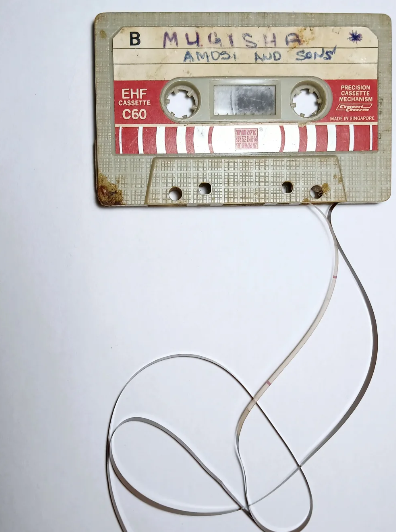
By welding the visual weight of architectural change with the physical actions of playing cassettes and examining dry spices, the inaugural exhibition transformed the Emin Pasha Hotel into a space of active cross-cultural connection. It demonstrated how museums can look backward into shared nostalgic objects to spark vital contemporary dialogues about heritage preservation, unity, and the collective soul of our cities.
Installation view