Chai & Cinema IV
Exhibition Type: Immersive Conceptual Showcase, Interactive Curation & XR Public Laboratory
Organising Body: ICOM Uganda (International Council of Museums, Uganda Chapter)
Event Context: ICOM Uganda Museum Fair 2026 (The 2nd time exhibiting and speaking at this landmark space)
Venue: Emin Pasha Hotel, Kampala, Uganda
Dates: May 12th – May 14, 2026
Festival Concept: Not a trade show, but a cohesive storytelling platform bringing together museums, curators, creatives, and heritage workers under one collaborative curatorial vision.
Exhibition Theme: Museums Unite a Divided World: Fostering dialogue, understanding, and connection across communities.
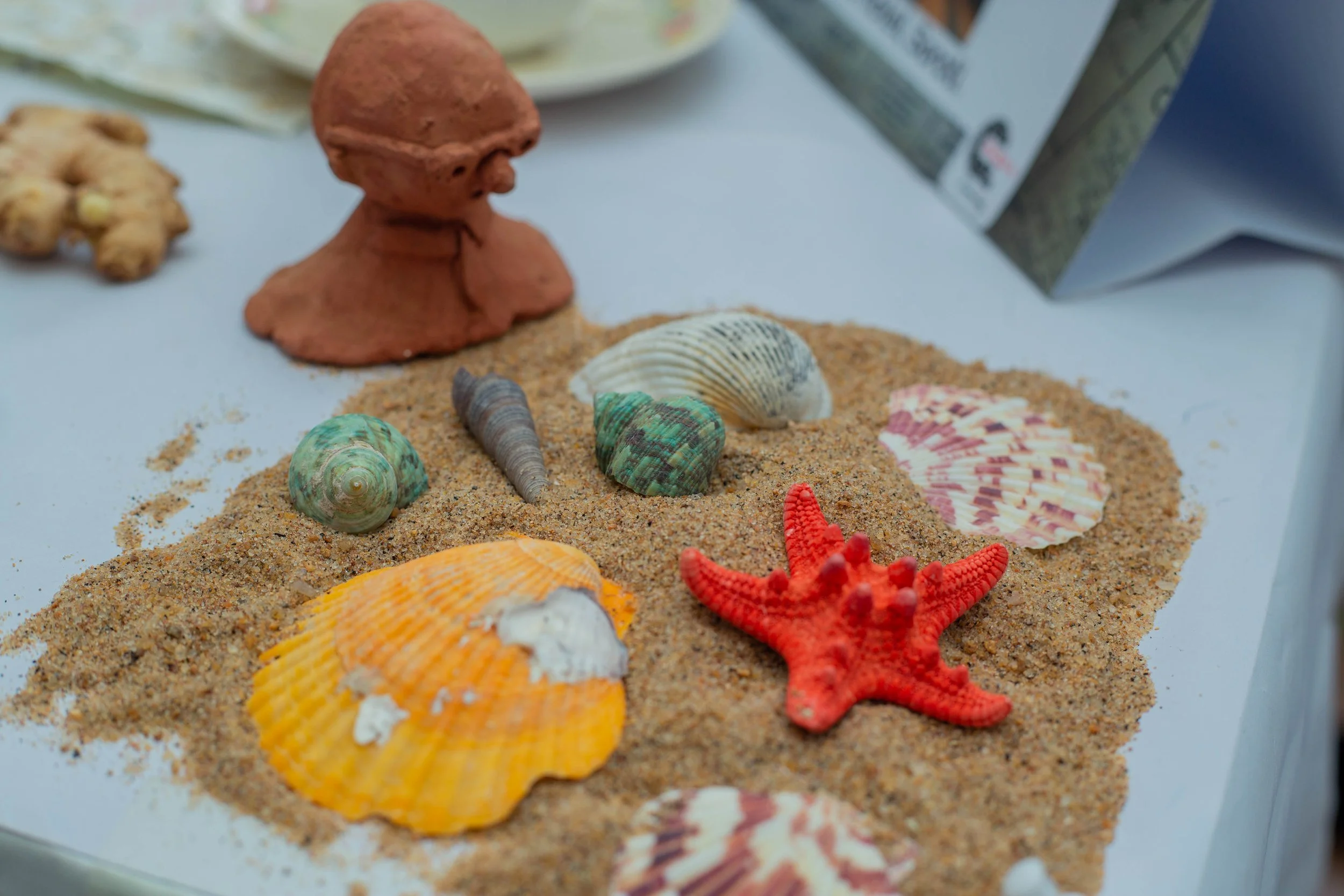
Core Medium: Extended Reality (XR) Experience, Collaborative Material Anthropology, Contemporary & Archival Diptychs, Ephemera Display, and Live Interactive Tea Rituals
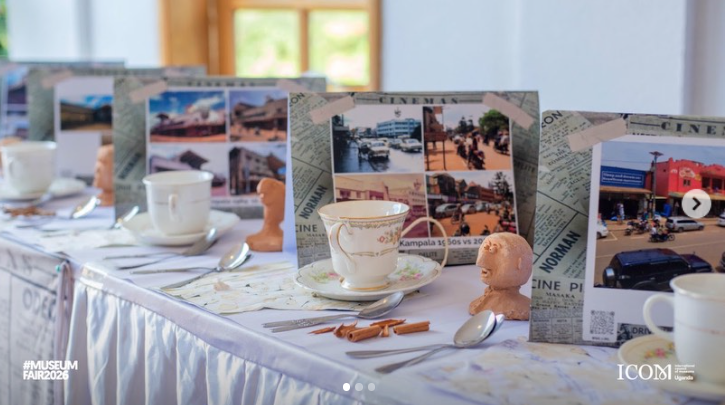
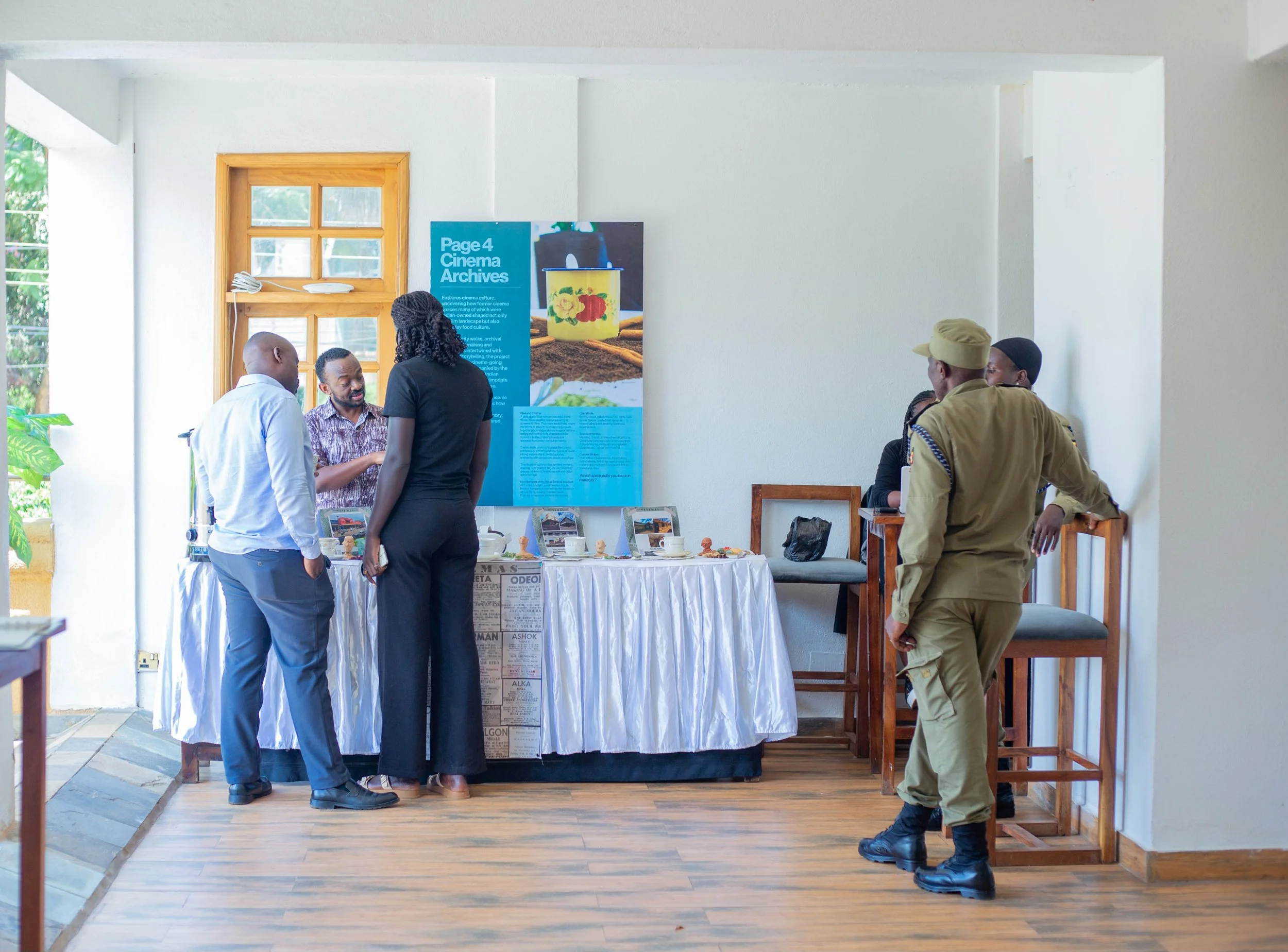
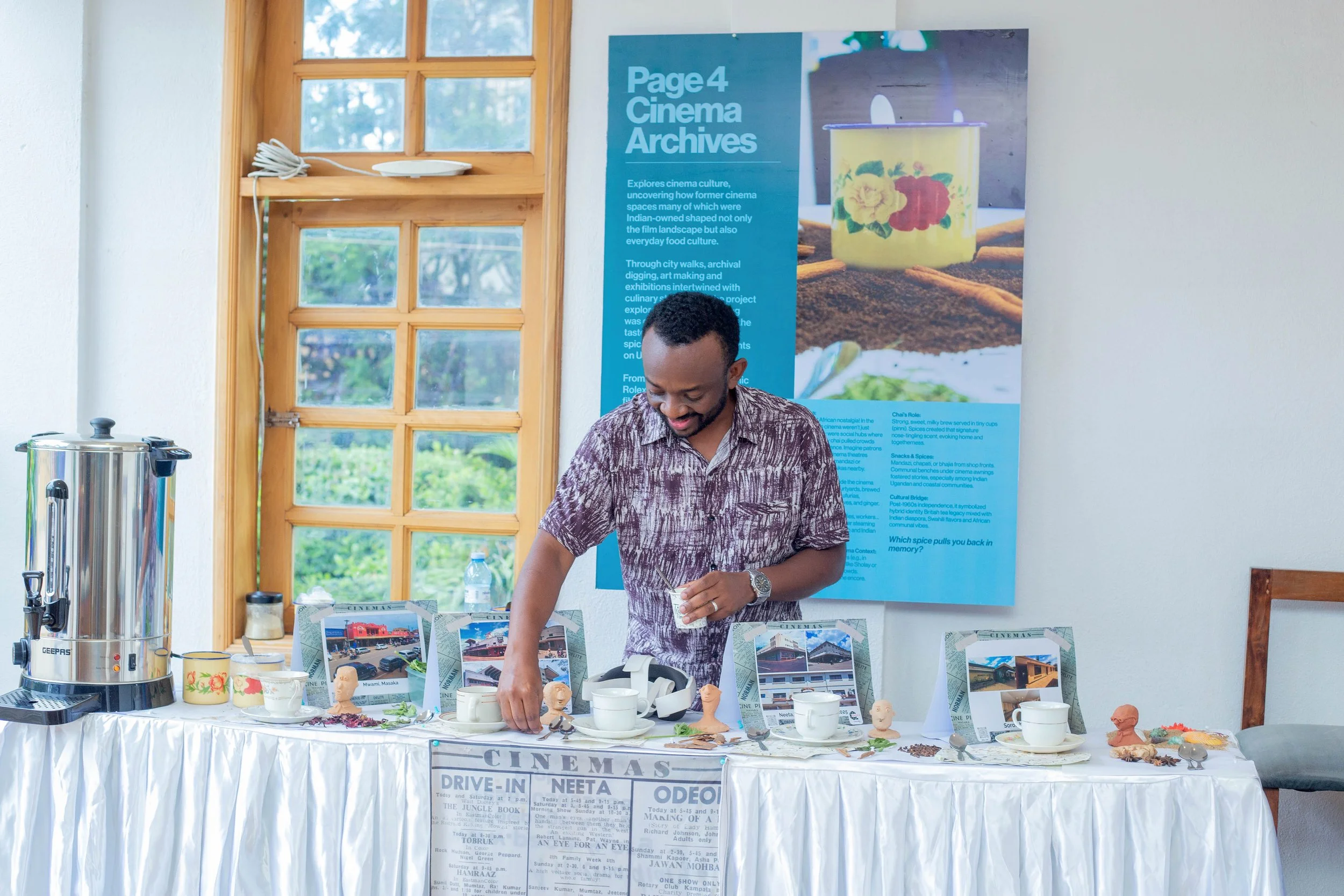
"Chai and Cinema" returned to the ICOM Uganda Museum Fair for a landmark second showcase, continuing a deep, continuous body of visual research into East Africa's 1970s nostalgia and vanishing cinema archives. Returning to this specific space for a second time allowed photographer and visual researcher Jim Joel to evolve the project, exploring how architecture, trade, tradition, and everyday cultural practices intersect to shape the tangible and intangible heritage of modern cities. Aligned with the global theme "Museums Unite a Divided World," the exhibition transformed the gallery layout—subverting classic white-wall conventions by treating horizontal display tables as alternative structural walls.
The sensory core of the installation investigated the profound, hybrid cultural identity of post-1960s independent Uganda, mapping where the British colonial tea legacy fused with Indian diaspora flavors and African communal warmth. In the 1970s, bustling movie houses like Afro Vision's hotel-based theaters in Nairobi and Kampala were not merely screens for films; they functioned as vital social hubs drawing diverse post-independence crowds to watch massive global hits like Sholay. Post-show, the surrounding tea stalls became the true encore. Cinema patrons spilled out from dimly lit theaters to cluster around shopfront dukas, communal benches, and courtyard awnings to share stories, talk politics, and debate film plots over steaming snacks like mandazi, samosas, chapati, or bhajia.
Bridging the Intercontinental Divide
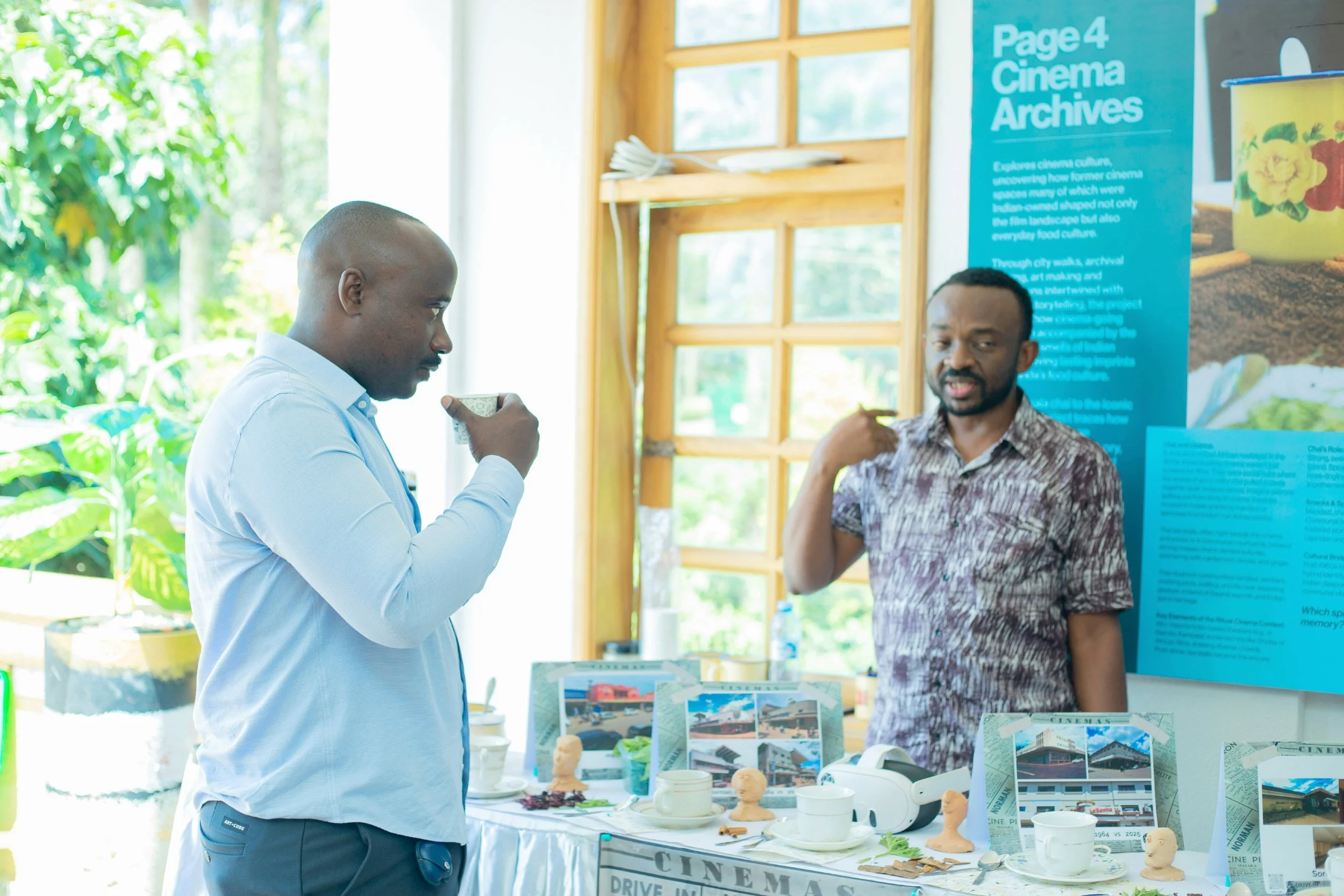
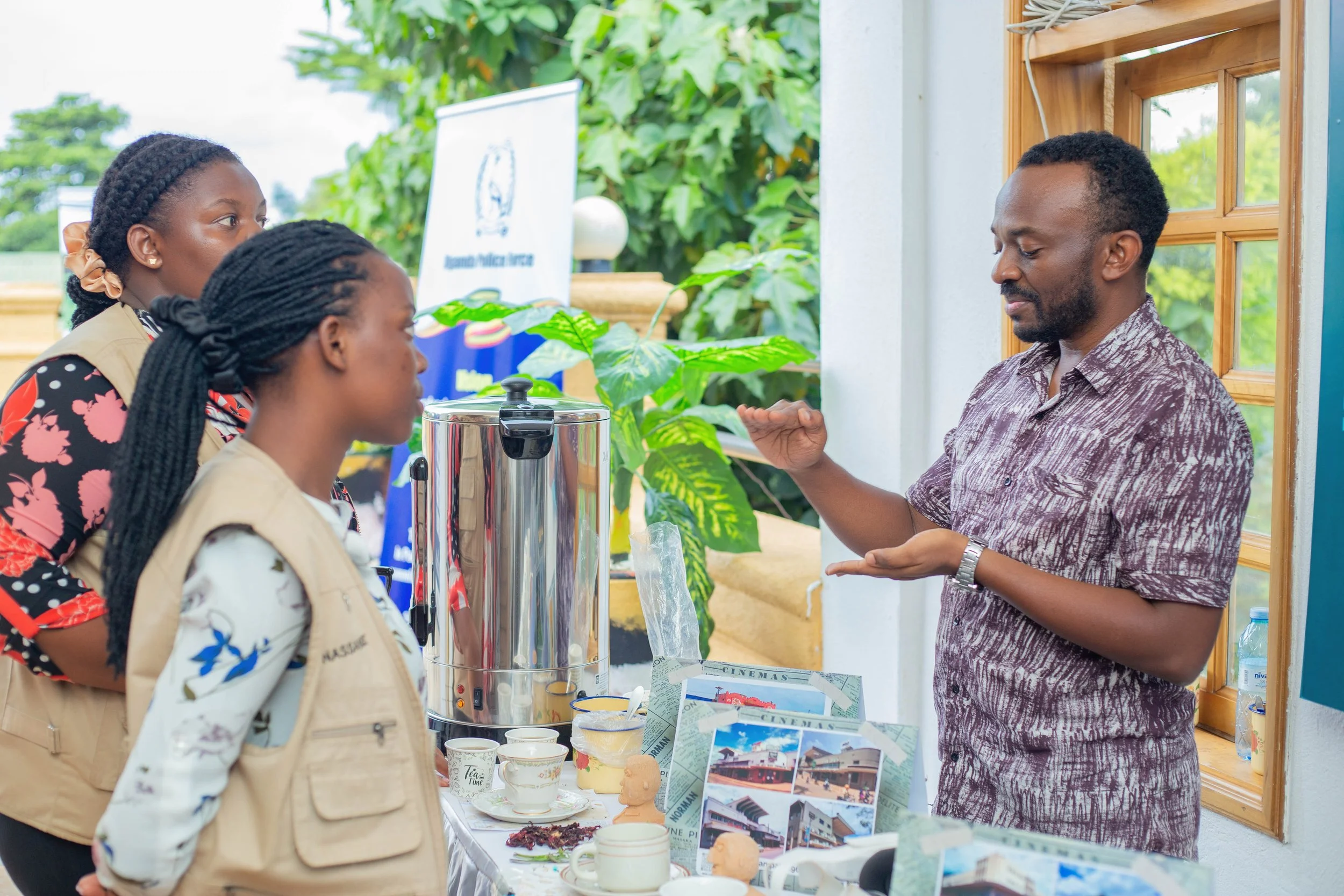
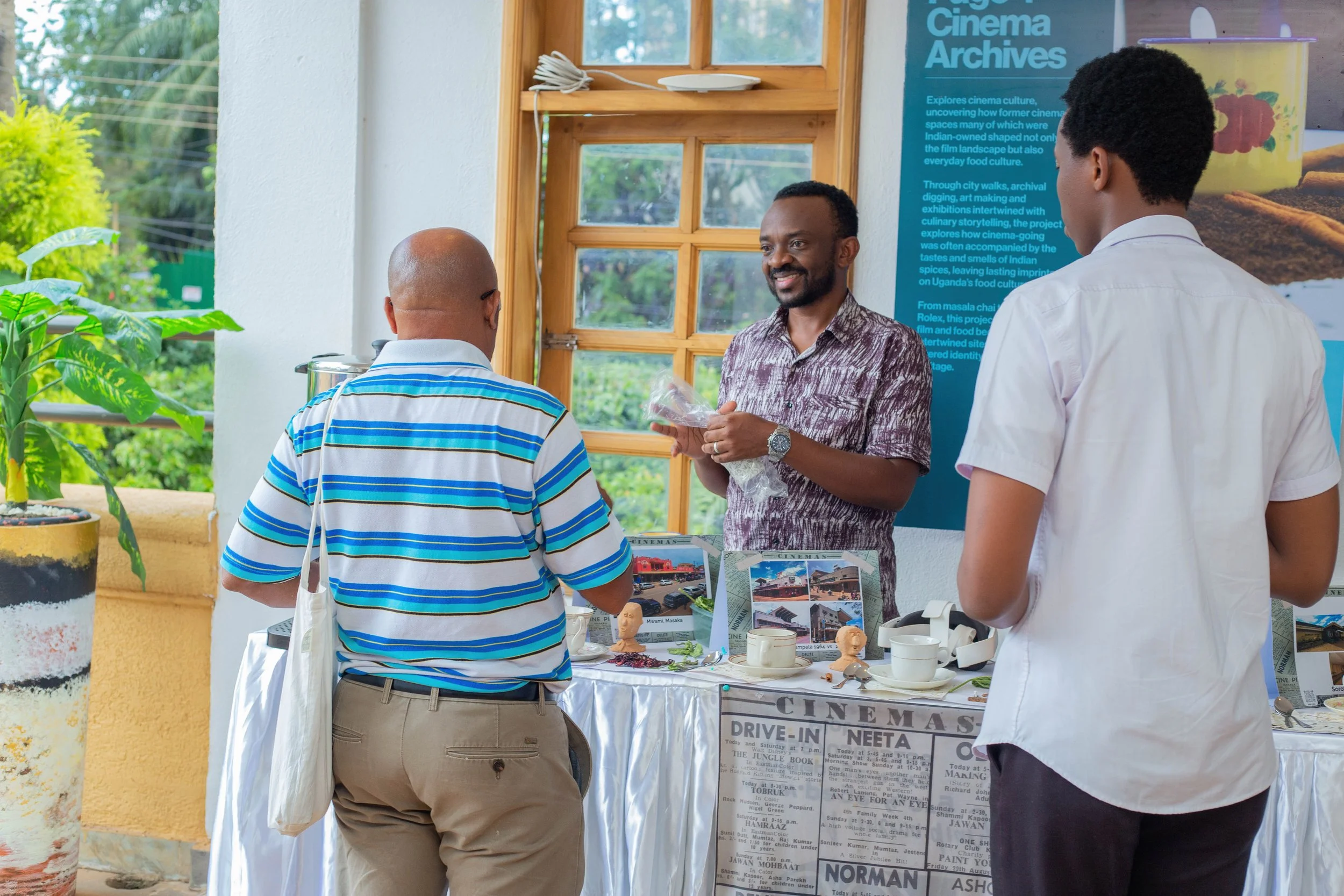
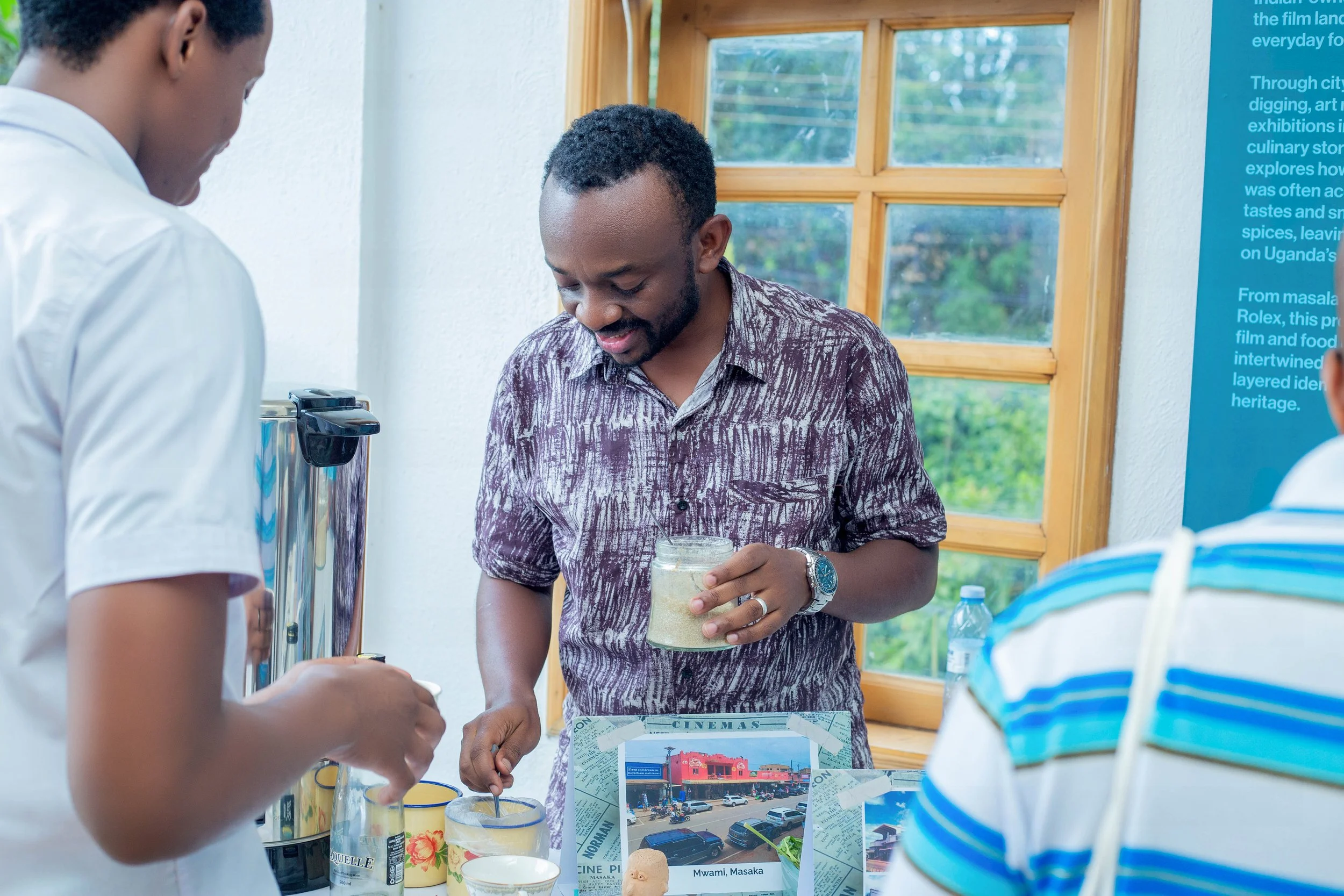
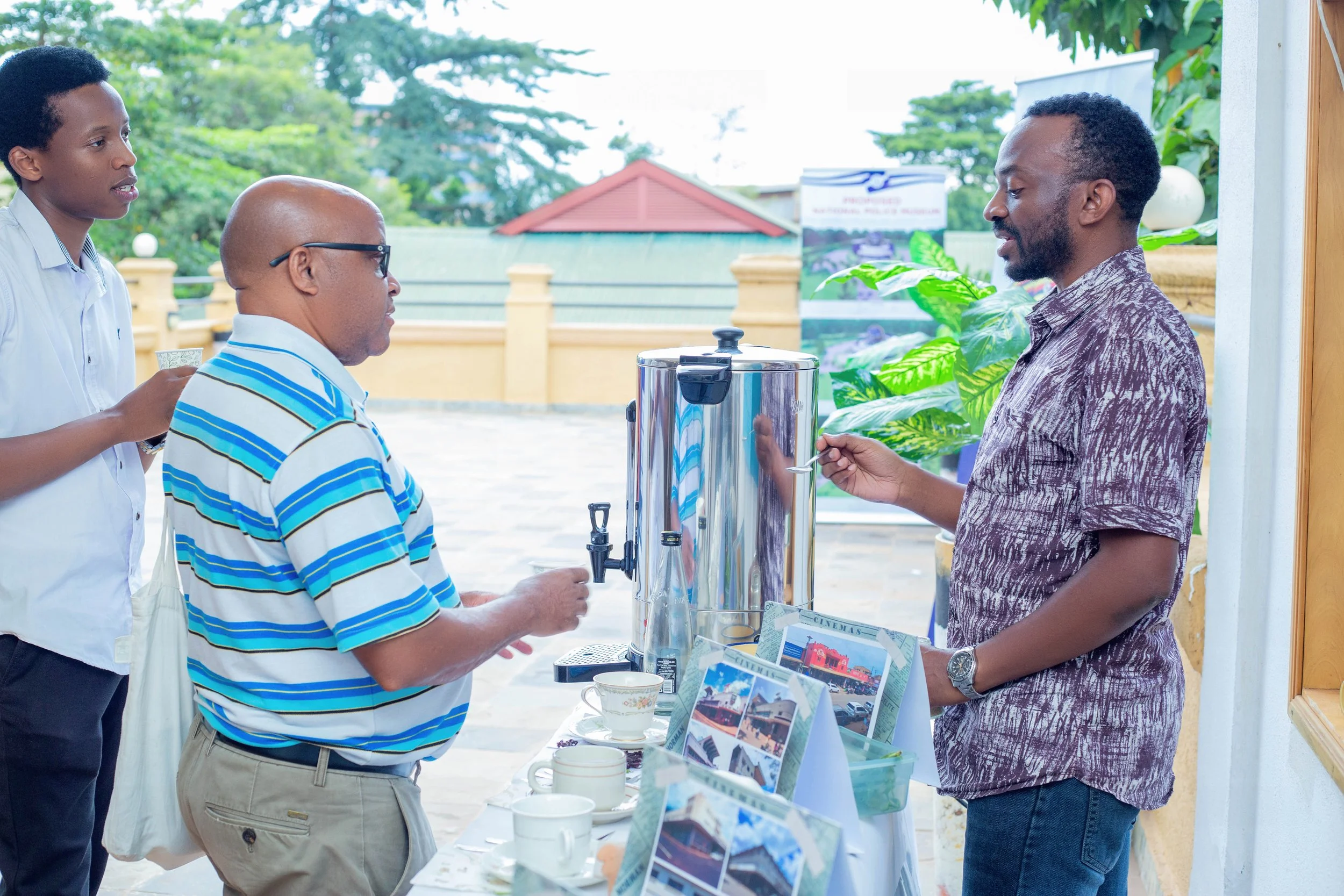
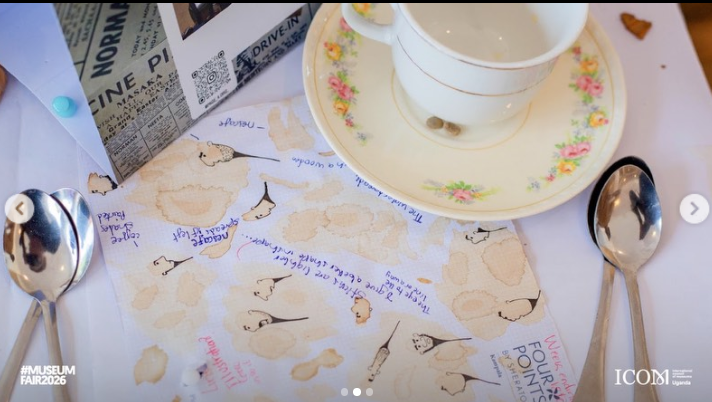
To make this intangible heritage tangible, the 2026 installation paired contemporary-archival diptychs with live, active engagement. Instead of passive observation, visitors were served strong, sweet, milky chai brewed in dented sufurias over a blend of cardamom, cloves, and ginger, alongside native and indigenous Ugandan spices. This scent-filled ritual served as an olfactory bridge to memory, evoking home and togetherness particularly among Indian Ugandan and coastal communities.
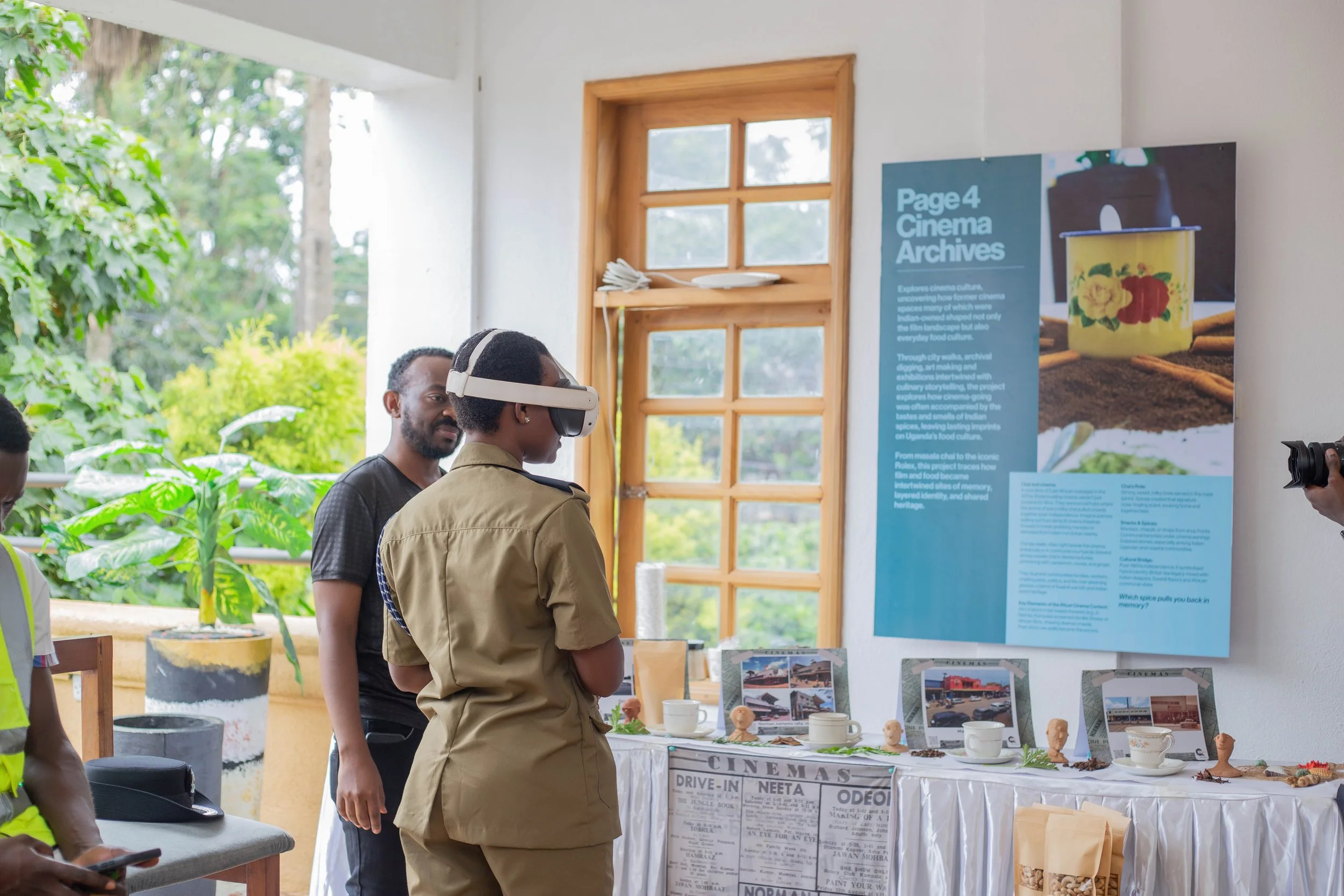
The crowning addition to the 2026 experience was an immersive Extended Reality (XR) experience of Norman Cinema (now Watoto Church downtown). By donning XR headsets, users stepped directly into a digital restoration of the historic movie hall, navigating its mid-century architectural geometry. By seamlessly welding cutting-edge spatial computing with archival photography and the ancestral aroma of spiced tea, the exhibition successfully demonstrated how museums can dismantle physical and historical divisions, creating a healing space for memory, cross-cultural unity, and shared urban identity.
Installation views