

Walking The Egyptian Railway Museum
During my 2020 residency in Cairo, my daily rhythms were dictated by the pace of my feet. To walk Cairo is to submerge oneself in layers of time, shifting between the modern energy of the streets and the deep, silent history embedded in the city's architecture. But at the eastern edge of the chaotic Ramses Station, I found a different kind of archive, one carved out of steel, steam, and the poetry of human transit.
The Egyptian Railway Museum offered a sharp contrast to the ancient Pharaonic monuments found elsewhere in the city. Here, history was measured not in millennia, but in the rapid, industrial momentum of the 19th and 20th centuries. [
Inside the quiet, two-story building, the scale of Egypt's journey into modernity immediately slows your step. As a photographer, I am drawn to how physical spaces capture human absence and presence. The museum does this beautifully, balancing the monumental weight of real machinery with the delicate, microscopic world of human memory.
Visual Journey through the Egypt Railway Museum
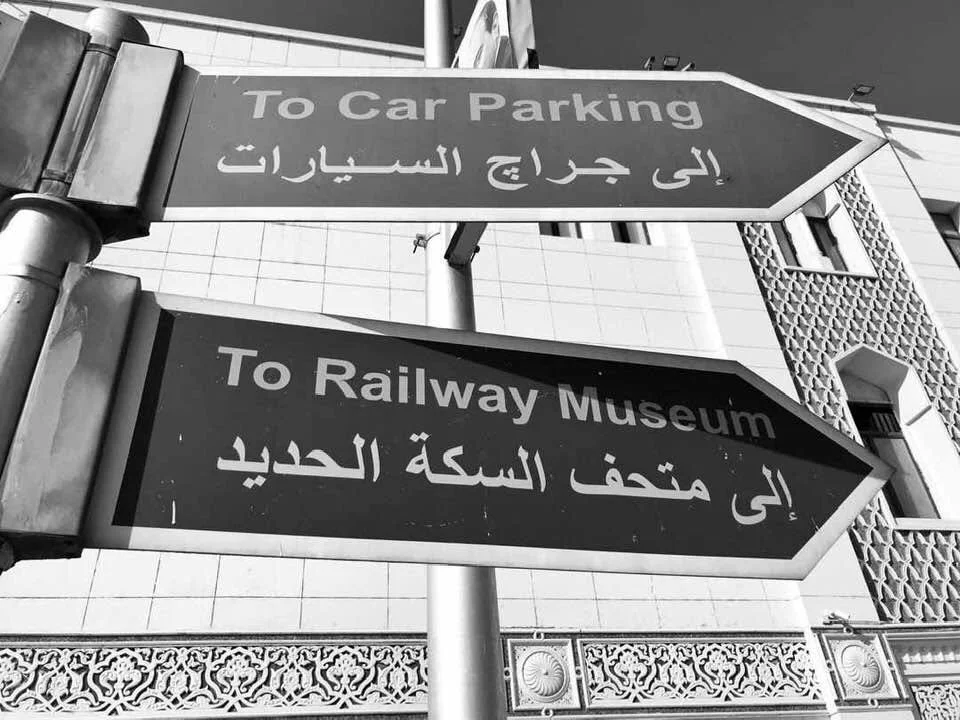
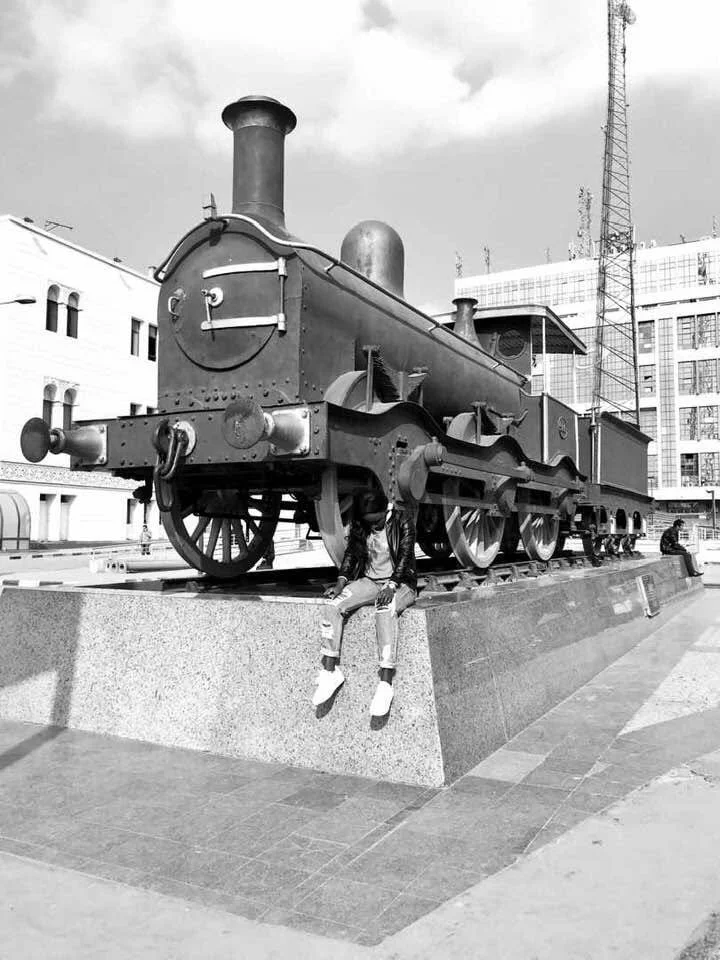




The highlight of the collection is standing beside an authentic full-scale carriage from the steam era at the entrance of the museum. Looking at it through a camera lens, you can almost feel the heat of the coal and the shudder of the iron tracks. It is a massive, tangible artifact of an age that completely reshaped how people moved across the Nile Valley.
Yet, the museum balances this grand scale with incredible intimacy. Rather than relying on flat, two-dimensional photographs, the historic train stations of Egypt are preserved as intricate miniatures. These meticulously crafted models feel like tiny, frozen theaters. Looking closely at them, you can imagine the micro-narratives of the passengers who once waited on those very platforms generations ago.
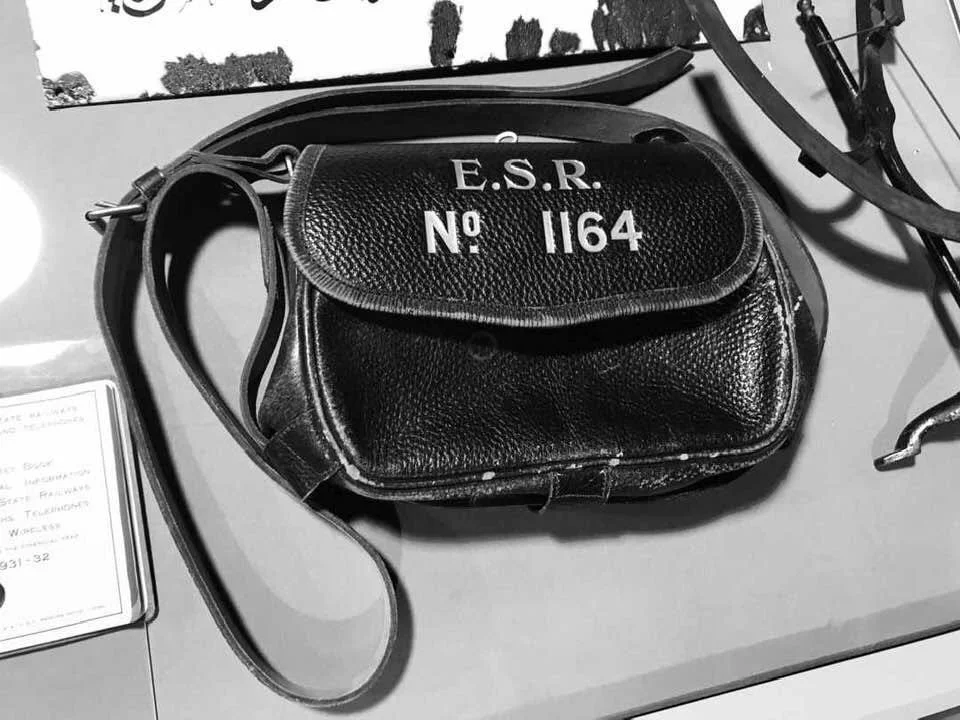
For me, the most compelling traces of history were the smallest ones: the quiet, everyday relics of travel. Glass cases hold the heavy leather bags once carried by conductors, worn at the edges from years of duty. Beside them sit vintage paper tickets and the heavy mechanical printing machines used to stamp them. There is a beautiful, tactile quality to these items. They are physical evidence of a time when travel required a physical token—a small slip of paper that recorded a specific destination, a specific date, and a specific human journey.
Like my walks through the city streets, visiting this museum became an exercise in paying attention. It reminded me that history isn't just found in grand monuments or ancient statues; it is quietly preserved in the tools of our everyday journeys, waiting for us to look closely.
